
Additions & Whole Home Remodels
Most people reach this point the same way: they love the neighborhood, the house doesn’t work anymore, and moving costs more than fixing it. An addition or a whole-home remodel is the biggest project you’ll take on in a house, and it’s the one where the contractor you pick matters most.
We run these end to end — zoning, architecture, permitting, foundation, framing, every trade, every finish — as one contract with one schedule.
The questions that come before design
Before anyone draws anything, there are constraints that decide what’s possible: setbacks, lot coverage, height limits, sometimes a historic district. We find out what the township allows before you spend money on a design, because the alternative is falling in love with a plan that can’t be built.
We’ll also tell you honestly whether an addition is the right answer. Sometimes reworking the space you already have gets you most of what you want for a fraction of the cost. We’d rather have that conversation than sell you square footage you didn’t need.
Structure, and what's actually holding the house up
Additions mean foundations, beams, headers and load paths. Whole-home remodels mean opening walls and finding out what they’re carrying.
We bring in a structural engineer where the job needs one, and we take the drawings seriously — a sealed detail is not a suggestion. Where an existing condition differs from the plan, we raise it before we build to it, not after.
Older houses in this area come with surprises: undersized footings, knob-and-tube in a wall nobody opened since 1950, a floor that’s out of level by two inches end to end. Some of that only appears once you’re in. What we can promise is that you’ll hear about it the day we find it, with a number attached.
Living in the house while it's happening
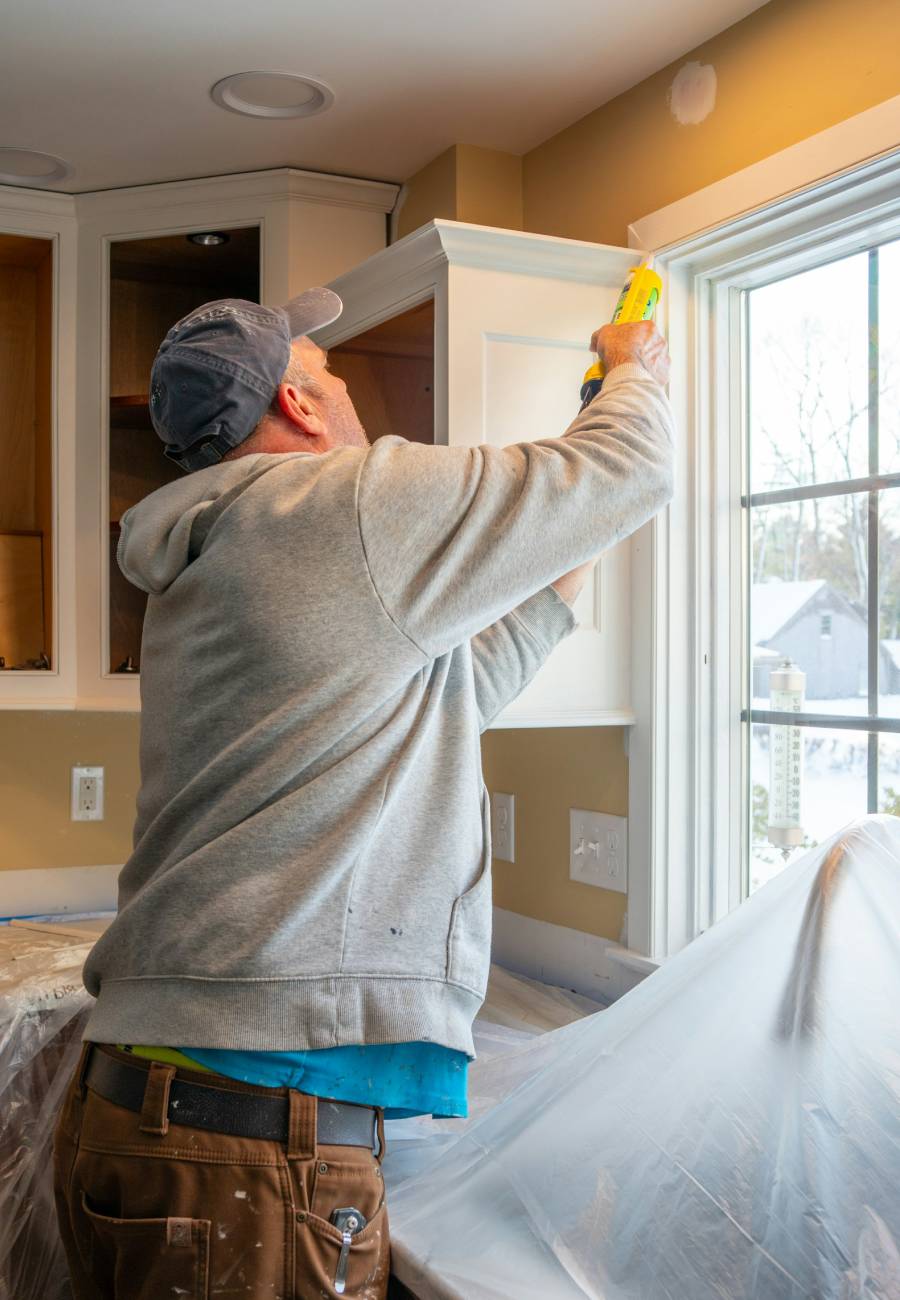
Most clients stay put through an addition, and it’s manageable if it’s planned. Dust barriers, a sequence that keeps you in a working kitchen and bathroom as long as possible, protected paths through the house, crews who clean up at the end of the day.
We’ll be straight with you about the weeks that will genuinely be difficult — the ones with no heat in part of the house, or when the kitchen comes out — so you can plan around them rather than discover them.

One contract, one schedule
The thing that goes wrong on big projects is coordination. The framer finishes and the plumber isn’t booked. The inspection slips and three trades sit idle. The cabinets arrive before the floor is ready.
That’s the actual job, and it’s ours. You get a schedule, a weekly written update, and one person to call. You don’t chase subcontractors and you don’t referee between trades.
How an Addition or Whole-Home Remodel Runs
A typical addition runs four to eight months on site depending on size and scope. We’ll give you a phase-by-phase schedule, and we’ll tell you when it moves and why.
Feasibility
What the lot and the township allow, roughly what it costs, whether the idea works. Before you commit to anything.
Design and engineering
Architectural drawings, structural engineering where required, and a budget that tracks the design as it develops.
Permitting
Zoning if needed, building permit, separate mechanical, electrical and plumbing applications. This takes longer than people expect and we’ll tell you the realistic timeline.
Site work and structure
Excavation, foundation, framing, roof, windows, exterior envelope.
Rough-in and inspection
Mechanical, electrical, plumbing, then inspection before anything closes up.
Insulation, drywall and finishes
Then flooring, trim, paint, fixtures, punch list and final inspection.
Why Gerlach
On a project this size, the difference between contractors shows up in how they handle the things that go wrong — because something will. We price changes before we do them, we tell you about problems the day we find them, and we don’t let a decision sit for three weeks and then blame the schedule.
You deal with the people running the job. One point of contact, consistently, from the first meeting through the final walkthrough.
An addition usually brings a new kitchen or bathroom with it, and new siding, roofing and windows to tie it into the house.
Thinking About an Addition?
How long does an addition take?
Four to eight months on site for most additions, plus three to six months beforehand for design, engineering and permitting. Whole-home remodels vary widely with scope. The permitting stage is the one most people underestimate.
What does an addition cost in the Philadelphia suburbs?
It depends heavily on whether you’re adding a foundation, going up over existing structure, or reworking what’s there. Kitchens and bathrooms inside the addition drive cost far more than plain square footage. We’ll give you a feasibility number early, before you’ve spent anything on design.
Do I need zoning approval or just a permit?
If the addition fits within setbacks, height and lot coverage limits, a building permit is usually enough. If it doesn’t, you need a variance, which adds months and isn’t guaranteed. We check this first.
Can we stay in the house during construction?
Usually yes. We’ll sequence the work to keep a functioning kitchen and bathroom available as long as possible and tell you in advance about the weeks that will be hardest.
What happens if you find something unexpected?
You hear about it that day, with what it means and what it costs, before we proceed. In an older house some discoveries are near-certain, and we’d rather set that expectation at the start than manage it with surprises.
Do you work with our architect, or provide one?
Either. If you have an architect, we’ll work with their drawings. If you don’t, we’ll bring one in. Worth knowing: an architect engaged for permit drawings only isn’t the same as one doing construction administration, and we’ll be clear about which you’re getting.
How do payments work on a project this size?
Progress draws tied to completed milestones, set out in the contract before work starts. You’ll know what each one covers and when it’s due.
Serving Philadelphia, Bucks County and Montgomery County
We work throughout Philadelphia and the surrounding suburbs. If you’re nearby and not listed, ask — we may still be able to help.